UPDF Shares Gender-Inclusion Lessons as Uganda Hosts Regional Security Delegations in Entebbe
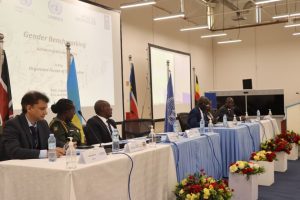
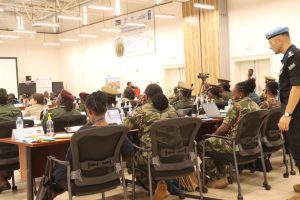
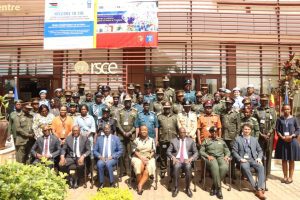
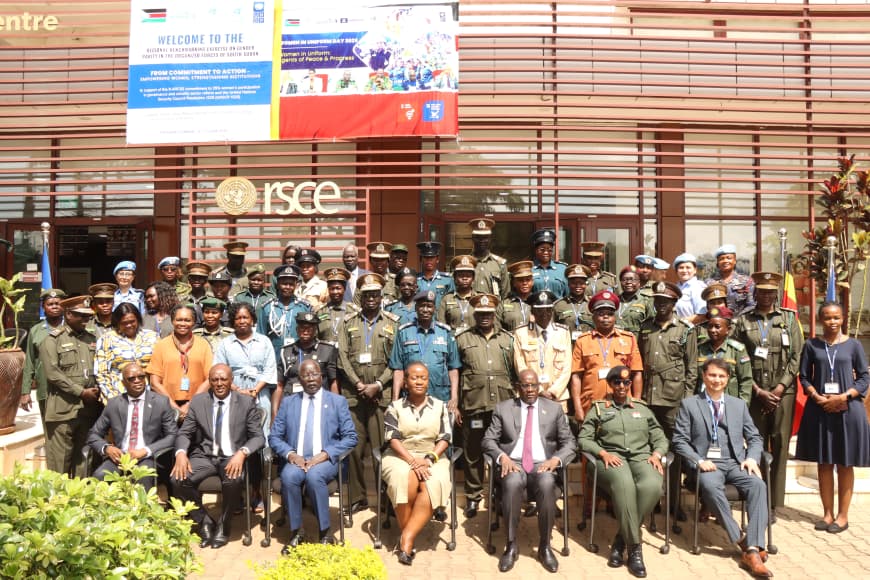
The Uganda Peoples’ Defence Forces (UPDF) has shared its gender-parity reforms with regional counterparts as Uganda hosted a high-level benchmarking exercise on gender parity and inclusivity within security institutions at the Regional Service Centre, Entebbe.
The exercise brought together delegations from Uganda, South Sudan, Kenya and Rwanda to share experiences and best practices on gender-responsive security sector reforms.
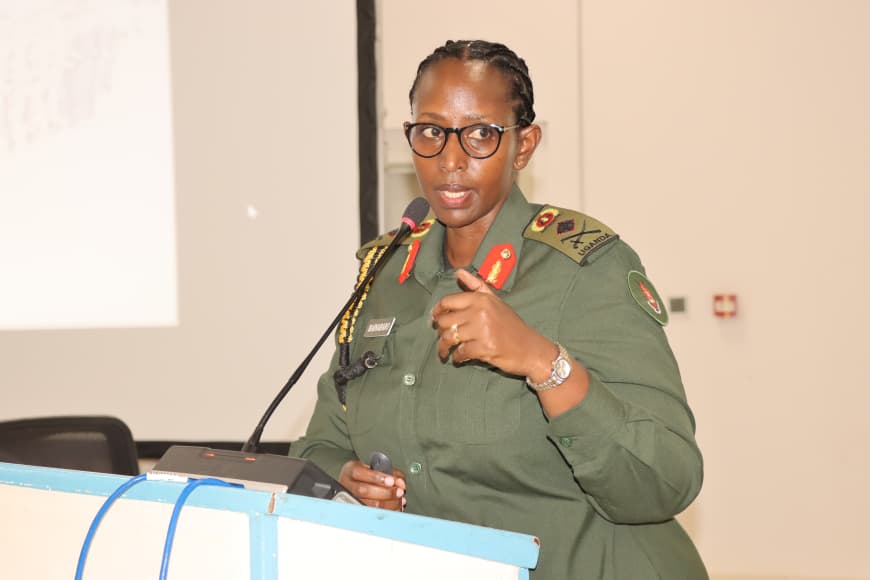 Opening the UPDF’s contribution to the exercise, Brig Gen Charity Bainababo, Director of Women Affairs in the UPDF, emphasised that gender equality is a prerequisite for sustainable development and good governance.
Quoting former United Nations Secretary-General Kofi Annan, she said: “Gender equality is more than a goal in itself. It is a precondition for meeting the challenges of reducing poverty, promoting sustainable development, and building good governance.”
She also cited President Yoweri Kaguta Museveni’s position on gender inclusivity, stressing that meaningful participation is not merely about numbers but about enabling individuals to contribute effectively to national development.
Brig Gen Bainababo highlighted the significant role women played in Uganda’s liberation struggle as combatants, intelligence operatives and mobilisers, citing senior female officers such as Lt Gen Proscovia Nalweyiso, Maj Gertrude Njuba and others whose contributions helped shape the country’s history.
Government: Security must protect rights and dignity
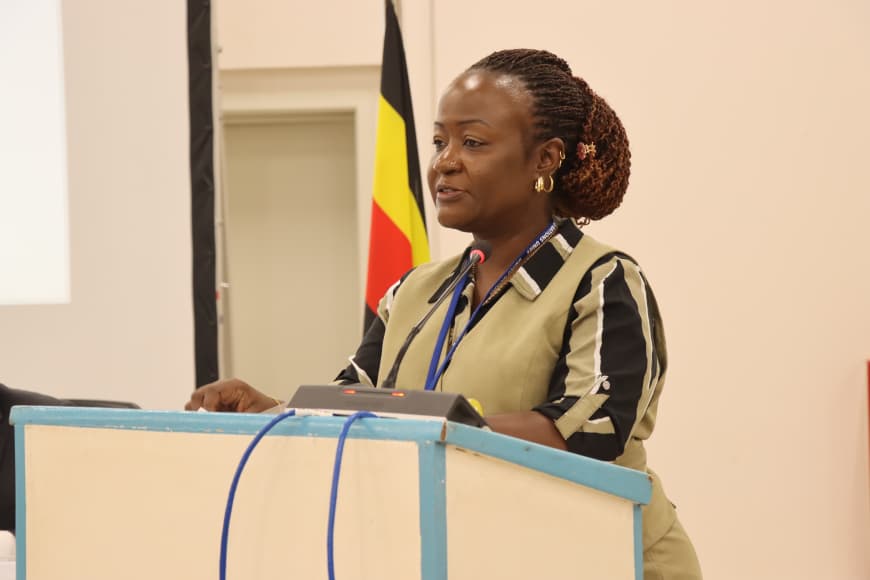 Speaking at the opening of the exercise, Mrs Dorothy Nsereko Nsereko, Permanent Secretary of the Ministry of Internal Affairs, welcomed the delegation on behalf of the Government of Uganda and described the engagement as an important milestone in regional cooperation.
“This week marks an important milestone in regional cooperation, and we are privileged to support South Sudan’s journey towards developing a gender mainstreaming and inclusivity policy for its National Police and Prisons Services,” she said.
Nsereko noted that modern security institutions must go beyond maintaining law and order to protecting rights, promoting dignity, preventing gender-based violence, and ensuring equal participation of men and women.
Drawing from Uganda’s experience, she highlighted three key lessons: recruitment of women must be accompanied by supportive measures such as childcare facilities and zero tolerance for harassment; promotions should be transparent and merit-based; and gender mainstreaming initiatives must be adequately funded.
“Security is not only about guns but also about trust, and trust is impossible when half the population does not see itself represented in uniform,” she emphasised.
South Sudan: Committed to evidence-based reform
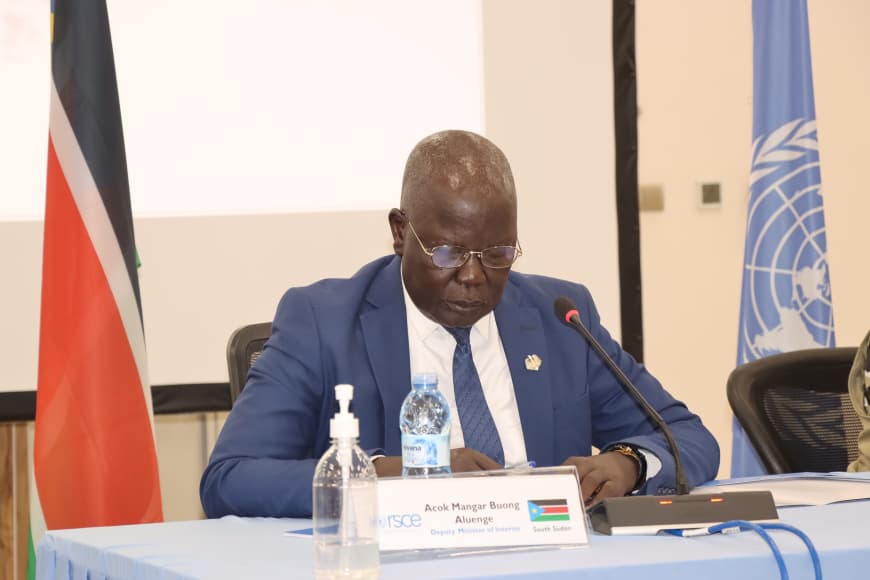 Representing South Sudan’s Minister of Interior, Hon Lt Gen Mangar Buong Aluenge, Deputy Minister of Interior, expressed gratitude to Uganda for hosting the delegation and reaffirmed South Sudan’s commitment to advancing gender equality within its security institutions.
He noted that South Sudan’s historical challenges, including limited access to education during years of conflict, had affected women’s participation in leadership and security institutions.
He said the benchmarking exercise would help the country strengthen evidence-based planning, accountability and institutional reforms aimed at promoting gender equality.
“We believe that effective reform must be based on accurate information and data. Good data improves planning, accountability, and helps us measure progress in promoting gender equality,” he said.
Lt Gen Mangar also acknowledged the strides made by countries such as Uganda, Rwanda and Kenya in advancing gender inclusion and expressed optimism that South Sudan would adapt lessons learned to its own context.
He encouraged women leaders and participants to become advocates for change by mentoring young girls and encouraging greater female participation in public service and security institutions.
“Our goal is to build security institutions that are professional, effective, and trusted by the public. We must continue building the capacity of our sisters because we believe they have a critical role to play in the future of South Sudan,” he added.
Uganda Prisons Service: Women leading stations and departments
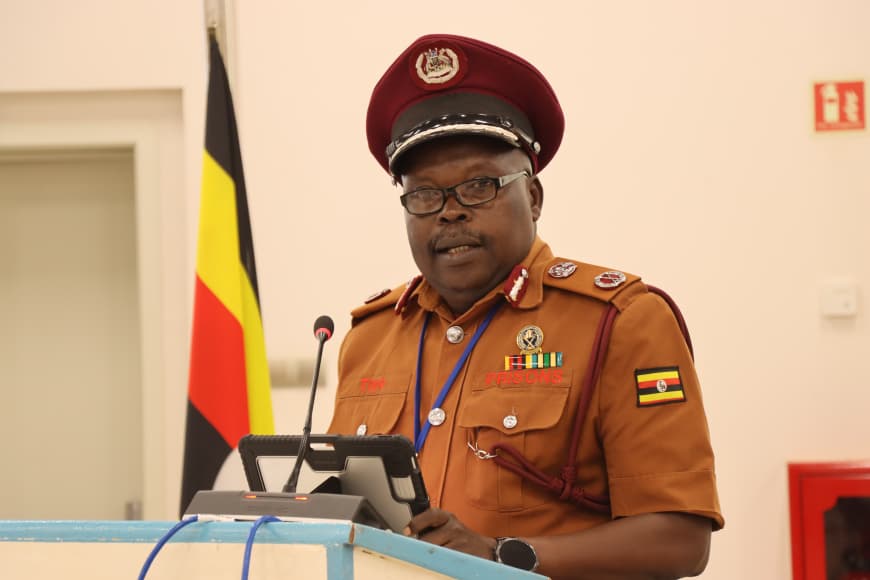 Meanwhile, Assistant Commissioner General of Prisons (ACGP) Milton Tiyo, speaking on behalf of the Commissioner General of Uganda Prisons Service, Dr Johnson Byabashaija, outlined Uganda Prisons Service’s progress in promoting gender equality and women’s empowerment.
He revealed that seven of the service’s 35 departments are headed by women, including strategic departments such as ICT, Health Services, Prison Industries, Legal Affairs and Human Rights, Social Rehabilitation, and the Prison Academy and Training School.
ACGP Tiyo, further, noted that several prison stations, including some male-only facilities, are commanded by female officers, while women lead three of the service’s 19 regional commands.
The Uganda Prisons Service also provides specialised support to female inmates through the provision of sanitary materials and daycare centres for children living with incarcerated mothers.
As a best practice, he encouraged institutions to establish clear gender policies, enforce zero tolerance for sexual harassment and discrimination, and invest in leadership development opportunities for women.
Regional cooperation and next steps
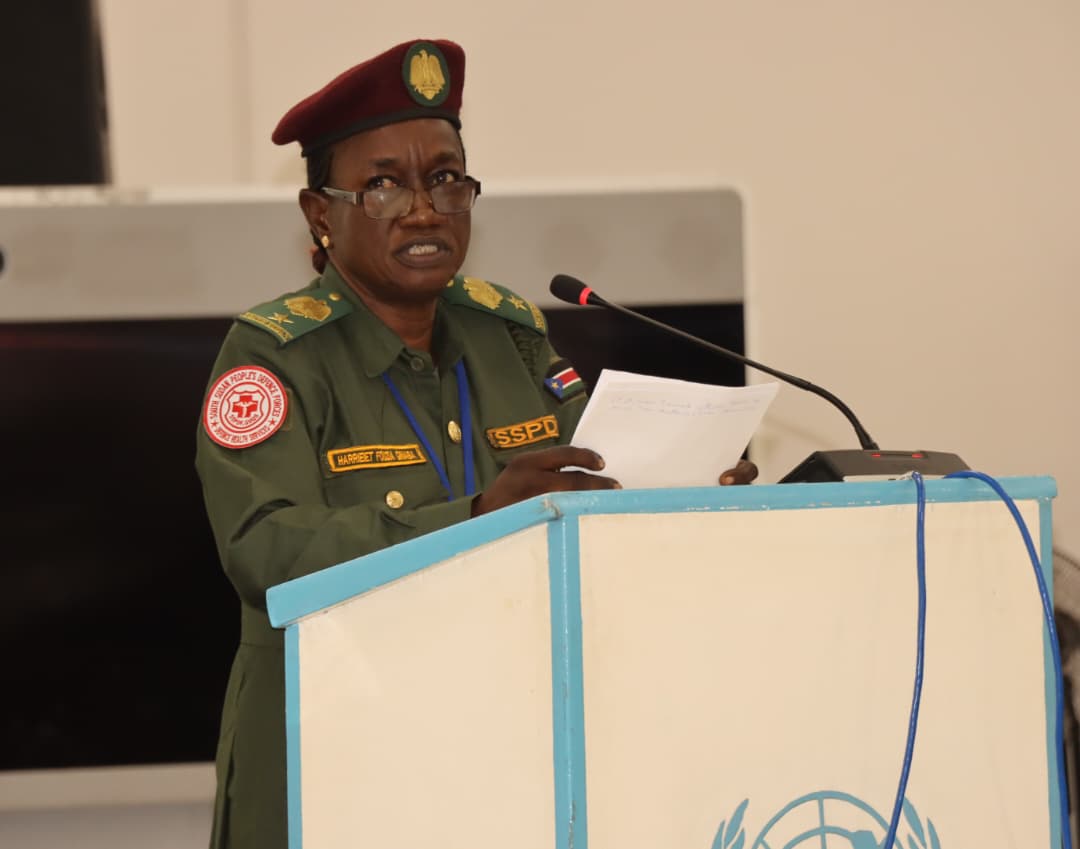 Closing the session, Lt Col Harriet Fouzia Ginaba of the South Sudan People’s Defence Forces expressed appreciation to Uganda and regional partners for facilitating the learning exchange.
She acknowledged the contributions of the governments of Uganda, Kenya, Rwanda and South Sudan, as well as development partners including UNDP, UN Women, UNESCO and the Peacebuilding Fund for supporting gender-responsive security sector reforms.
Lt Col Ginaba also commended the leadership of South Sudan’s Ministry of Interior, Ministry of Defence, and Ministry of Gender, Child and Social Welfare for championing women’s participation in security institutions.
She noted that significant progress had been made in strengthening women’s leadership, mentorship programmes and professional networks within South Sudan’s organised forces.
“The establishment of the National Women in Security Sector Network marks an important milestone in advancing women’s leadership, institutional reform, peacebuilding, and community service in South Sudan,” she said.
The benchmarking exercise is expected to provide South Sudan’s security institutions with practical lessons and strategies for strengthening gender equality, inclusivity and professional standards, while reinforcing regional cooperation among East African security agencies.